Expertly formulated supplements
Supplements for Performance
Sleep. Wellness. Gut Health.
No compromises. No fillers. Supplements engineered for the way you actually live.
Shop All ProductsAs seen in
The Range
Formulated
with purpose.
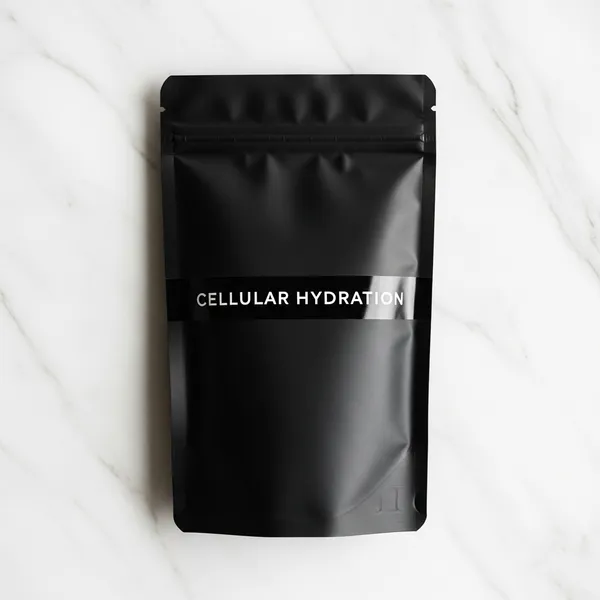
The Science
Thoughtfully formulated.
Purposefully simple.
At LOOM, we believe wellness doesn't need to be complicated.
Every formula is created with intention, combining carefully selected ingredients, scientific research, and uncompromising quality standards. Rather than overwhelming you with endless choices, we've focused on a curated collection of products designed to complement the moments that matter most in your day.
Simple routines. Thoughtful formulations. Science-led wellness.
Our Collection
Sleep
Our evening formulation features magnesium glycinate alongside a carefully selected blend of complementary ingredients. Created to become part of a calming nightly ritual, helping you make space to slow down, switch off, and prepare for tomorrow.
Wellness
Premium collagen peptides, selected for their quality and versatility. An effortless addition to your daily routine, designed to become part of a consistent approach to modern wellbeing.
Gut Health
A carefully crafted blend of live cultures, developed with selected strains and inspired by the growing scientific interest in the gut microbiome. Designed to fit seamlessly into your daily wellness routine.
Our Approach
Every ingredient is chosen for a reason. Every formula is developed with care. From sourcing to formulation, we focus on creating products that fit seamlessly into daily life - helping you build simple, sustainable wellness rituals you'll want to return to every day.
Subscribe & Save
Built into your
daily rhythm.
Subscribe and save 30% on every order. Pause, skip, or cancel anytime. No minimums, no commitments you didn't ask for.
Journal
From the
research desk.


Knowledge Library
Everything you need
to know.
Evidence-based answers across all three LOOM categories - cited, updated, and written to clinical standards.
Sleep Science
Three of the most researched natural sleep ingredients are magnesium glycinate, ashwagandha KSM-66, and L-theanine. They are commonly used to address three frequent physiological barriers to sleep: low magnesium status, elevated cortisol, and an overactivated sympathetic nervous system. A well-formulated supplement that combines these at researched levels may offer broader support than single-ingredient products.
How do I choose the right sleep supplement?
Identify your primary sleep challenge first. Difficulty falling asleep is often associated with L-theanine and magnesium glycinate use. Frequent night waking is often associated with elevated cortisol, which ashwagandha KSM-66 has been studied for. Look for supplements that disclose exact per-ingredient doses and reference clinical research. Proprietary blends that hide amounts are a red flag for underdosing.
Can I take sleep supplements every night?
Formulas built on magnesium glycinate, L-theanine, and ashwagandha are generally well suited to daily, ongoing use as part of a routine. If you take other medication or have a health condition, it is sensible to check with a healthcare professional first. Consistency over four to eight weeks tends to be the most helpful approach.
Magnesium glycinate supports sleep through multiple pathways: it activates GABA receptors to calm neural activity, reduces cortisol, and relaxes muscles. The glycinate chelate form is significantly more bioavailable than cheap alternatives like magnesium oxide, and gentler on the digestive system. Studies in adults with low magnesium status suggest that supplementation may support sleep onset and overall sleep quality.
What dose of magnesium glycinate is effective for sleep?
Clinical trials supporting sleep improvements use 300-400mg elemental magnesium glycinate per day, typically taken 30-60 minutes before bed. Many commercial products underdose significantly - always check the elemental magnesium amount, not just the total compound weight. Some people pair it with L-theanine or ashwagandha as part of a wider evening routine.
KSM-66 (a standardised full-spectrum ashwagandha extract) has been studied in people with sleep difficulties. A 2019 study reported improvements in sleep quality measures, including sleep onset latency, with 600mg daily over 10 weeks. Its primary studied mechanism relates to the cortisol stress response - ashwagandha is researched for its effect on HPA axis activity that can keep the mind alert at bedtime.
How long does ashwagandha take to improve sleep?
Initial improvements in stress perception and sleep onset are typically noticed within two to four weeks. Full cortisol-lowering effects - and the corresponding sleep quality improvements - emerge over six to twelve weeks of consistent daily use. Ashwagandha is not an acute sedative; it works by gradually recalibrating the stress response. Consistency is essential for meaningful results.
L-theanine is an amino acid found naturally in green tea that promotes alpha brain wave activity - the neural state associated with wakeful relaxation. At 200mg, it reduces the mental hyperarousal that delays sleep onset without causing sedation. It is particularly effective for people whose sleep difficulty stems from an overactive, 'can't switch off' mind. Unlike sedatives, it does not impair next-day alertness.
Can L-theanine be combined with other sleep ingredients?
L-theanine pairs exceptionally well with magnesium glycinate - the former promotes pre-sleep relaxation, the latter supports deeper sleep through GABA pathways. Adding ashwagandha addresses the cortisol dimension. This three-ingredient combination covers the main physiological barriers to sleep with minimal overlap and no interaction risk. Most premium natural sleep formulas now use all three at clearly disclosed doses.
They are very different things. Prescription sleeping tablets such as Z-drugs and benzodiazepines are medicines prescribed and supervised by a doctor for diagnosed sleep problems. Food supplements built on magnesium glycinate, ashwagandha, and L-theanine are not medicines and are not a substitute for them; they are intended to support relaxation and healthy sleep habits as part of a routine, and are generally used gradually over weeks. Anyone with a persistent or severe sleep problem should speak to a GP.
When are prescription sleeping tablets appropriate?
That is a decision for a doctor. Prescription sleep medication may be appropriate for severe sleep problems causing significant daily impairment, under medical supervision. Food supplements are not a treatment for insomnia and are not a replacement for medical care; they are intended to support healthy sleep habits as part of a wider routine. If sleep difficulty is persistent or severe, speak to a GP.
Melatonin is most effective for circadian disruption - jet lag, shift work, delayed sleep phase - rather than general insomnia. It signals to the brain that it is dark and time to sleep, but does not address the underlying stress, cortisol, or nervous system issues that cause most sleep problems. In the UK, high-dose melatonin requires a prescription; low-dose (under 2mg) is available OTC. For general relaxation and sleep-habit support rather than timing, ingredients such as magnesium glycinate and ashwagandha are more commonly used.
What dose of melatonin is effective?
Research consistently shows that low doses (0.5-1mg) are as effective as high doses (5-10mg) for circadian adjustment, with fewer side effects. Higher doses do not improve sleep quality - they simply flood melatonin receptors. If using melatonin, take it 30-60 minutes before your target sleep time, in a dark environment. For long-term sleep support, pair with a cortisol-regulating ingredient like ashwagandha KSM-66.
Collagen Science
Research into hydrolysed collagen peptides is growing. Once absorbed from the gut, the peptides circulate to the dermis, where they are studied for their role in supporting the body's own collagen production. Some randomised controlled trials report improvements in skin elasticity and hydration measures at doses of 2.5-10g daily over 8-12 weeks, though results vary between individuals. Marine collagen, derived from fish skin, provides the Type I collagen most abundant in human skin and has been used in much of this research. Collagen is not authorised to carry specific health claims in the UK.
How long does collagen take to work?
Most clinical trials measuring skin outcomes use 8-12 week supplementation windows, with changes in elasticity and hydration measures assessed at this point. Anecdotally, many users notice improvements in skin texture and nail strength within 4-6 weeks. Joint and bone benefits are typically observed over longer periods - 3-6 months of consistent daily supplementation. Consistency is the single most important factor; sporadic use produces minimal benefit.
What dose of collagen should I take?
Clinical trials demonstrating skin improvements use 2.5-5g hydrolysed collagen peptides daily. Trials on joint health typically use 10g. Most premium supplements provide 5-10g per serving. Quality matters as much as dose: look for hydrolysed (or 'peptide') collagen rather than whole collagen protein, as hydrolysis breaks the chains into bioavailable fragments the gut can absorb efficiently.
Marine collagen (from fish skin) and bovine collagen (from cattle hide) differ in collagen type profile and bioavailability. Marine collagen is predominantly Type I - the collagen type most abundant in human skin - and has a smaller peptide particle size that may improve absorption. Bovine collagen contains both Type I and Type III. Marine collagen is a popular choice for skin-focused supplementation; bovine is often used for gut and joint applications due to its Type III and glycine content.
Is marine collagen better for skin than bovine?
For skin-specific outcomes, marine collagen has a slight evidence advantage. Its smaller peptide size and higher Type I concentration align directly with the collagen most depleted in ageing skin. Several RCTs using marine collagen specifically report changes in skin elasticity and hydration measures. Bovine collagen remains an excellent all-round option - particularly for those with fish allergies or who prefer an animal-free fish source.
Hydrolysed collagen (also called collagen peptides) is collagen that has been enzymatically broken down into short amino acid chains. This is essential for supplementation efficacy: whole collagen protein is too large to be efficiently absorbed from the gut. Hydrolysis produces peptides - particularly Pro-Hyp and Gly-Pro - that are absorbed intact, transported to the dermis, and act as biological signals stimulating fibroblast collagen synthesis. All effective collagen supplements should specify 'hydrolysed' or 'peptide' on the label.
What is the difference between collagen peptides and collagen powder?
Collagen peptides are the bioactive, hydrolysed form of collagen designed for supplementation. 'Collagen powder' is a broader term that may refer to either hydrolysed peptides or whole collagen - the two are very different in terms of absorption and efficacy. Always check whether the powder specifies 'hydrolysed' or 'peptide' collagen. Unhydrolysed collagen powder provides the same amino acids but with significantly lower bioavailability to the skin and joints.
Skin elasticity is one of the more frequently studied outcomes in collagen supplement research. A 2014 double-blind RCT reported improved skin elasticity measures after 8 weeks of 2.5g hydrolysed collagen peptides versus placebo, and a 2015 study reported improvements in skin hydration. The studied mechanism involves collagen peptide fragments signalling to fibroblasts in the dermis. Results vary between individuals, and collagen is not authorised to carry specific health claims in the UK.
At what age does collagen production start to decline?
Collagen production begins declining from the mid-20s at approximately 1-1.5% per year. By age 40, measurable reductions in skin elasticity and thickness are evident. This decline accelerates after the menopause due to the fall in oestrogen - which directly stimulates collagen synthesis. Some people choose to start collagen supplementation in their late 20s or 30s, though it is used at any age as part of a daily routine.
Collagen is widely studied in the context of joint comfort. Undenatured Type II collagen (UC-II) has been researched for joint function via an oral tolerance mechanism, and hydrolysed collagen at around 10g daily has been studied for joint comfort in athletes and older adults. Collagen provides glycine and proline, the structural amino acids found in cartilage matrix, which dietary protein alone may not always deliver in sufficient quantities. Anyone with persistent joint pain should speak to a healthcare professional.
Can collagen supplements help repair cartilage?
Collagen provides the specific amino acids (glycine, proline, hydroxyproline) used in cartilage matrix synthesis. Collagen is not a treatment for joint disease, but research has explored its role in the maintenance of existing cartilage as part of a healthy lifestyle. Collagen is commonly combined with vitamin C, which contributes to normal collagen formation in the body.
Vitamin C is an essential cofactor for the enzymes prolyl hydroxylase and lysyl hydroxylase, which stabilise the collagen triple helix structure. Without adequate vitamin C, collagen synthesis is impaired regardless of collagen intake. This is why many premium collagen supplements include vitamin C: it directly amplifies the bioavailability and utilisation of ingested collagen peptides. Vitamin C also acts as an antioxidant in the skin, protecting existing collagen from UV-induced degradation.
Probiotic Science
Probiotics are live microorganisms - primarily bacteria and yeasts - that are commonly used to support the gut microbiome when consumed in adequate amounts. They work by colonising the gut, competing with pathogenic bacteria, strengthening the intestinal barrier, and producing beneficial metabolites including short-chain fatty acids and neurotransmitter precursors. The key qualification is 'adequate amounts' - most clinical benefits are seen at doses of 5-50 billion CFU of specific, well-characterised strains.
How long do probiotics take to work?
Initial changes in digestive symptoms - such as reduced bloating and improved regularity - are typically noticeable within one to two weeks. Immune-modulating and gut barrier effects develop over four to eight weeks of consistent supplementation. Strain-specific colonisation varies; Lactobacillus strains generally establish faster than Bifidobacterium. For long-term microbiome remodelling, consistent supplementation over three or more months combined with prebiotic fibre intake produces the most durable outcomes.
Do probiotics survive stomach acid?
Strain survivability through stomach acid varies significantly and is one of the most important quality considerations in probiotic supplementation. Lactobacillus rhamnosus GG and Saccharomyces boulardii are among the best-characterised for acid resistance. Enteric-coated capsules improve delivery to the small intestine for acid-sensitive strains. Taking probiotics with or just after a meal also provides some buffering. CFU count at manufacture is meaningless if strains are dead by the time they reach the gut.
Some of the most studied strains for general gut health include Lactobacillus rhamnosus GG (digestive and immune research), Bifidobacterium longum (researched for digestive comfort), Lactobacillus acidophilus (digestive research), and Saccharomyces boulardii (studied alongside antibiotic use). A well-formulated supplement uses multiple named strains - identified to genus, species, and strain level - at individually disclosed CFU counts, rather than a blend where no single strain is present in a meaningful amount.
What does CFU mean in probiotics?
CFU stands for Colony Forming Units - the measure of viable (living) bacteria in a probiotic dose. A CFU count indicates how many bacteria are capable of colonising and multiplying. Most clinical trials demonstrating health benefits use 1-50 billion CFU. Critically, CFU should be guaranteed at end of shelf life, not just at manufacture - bacterial counts decline over time, particularly in poor storage conditions. A label stating 'guaranteed at expiry' is a meaningful quality indicator.
Bloating is one of the more researched areas for probiotics. Strains including Lactobacillus acidophilus NCFM, Bifidobacterium lactis Bi-07, and Lactobacillus plantarum 299v have been studied for their effect on bloating-related comfort. The studied mechanisms involve supporting intestinal motility, the balance of gas-producing bacteria, and the gut barrier. Many people combine probiotics with reduced fermentable carbohydrate intake (low-FODMAP) during an initial period, and results vary between individuals.
Why might probiotics cause initial bloating?
Temporary increases in bloating are common in the first one to two weeks of probiotic supplementation as the gut microbiome adjusts. This 'die-off' effect reflects shifts in bacterial populations producing gas as they compete for resources. Starting at a lower dose and gradually increasing over two weeks minimises this effect. If bloating persists beyond two to three weeks or is severe, it may indicate strain incompatibility and warrant switching to a different formula.
IBS is one of the most researched areas in probiotic science, though probiotics are not a treatment for IBS and anyone with IBS should speak to a healthcare professional. A 2019 meta-analysis of 53 RCTs reported that probiotics were associated with reduced global IBS symptom scores versus placebo. Findings are strain-specific, and Bifidobacterium infantis 35624 has been studied specifically in this context. Reported effects tend to be more consistent for diarrhoea-predominant and mixed presentations than for constipation-predominant.
How should probiotics be used for IBS?
In research settings, consistent daily supplementation at 5-50 billion CFU using multi-strain formulas is the most studied approach, typically over a 4-8 week period. Combining probiotics with dietary modification - particularly low-FODMAP during the initial period - is also commonly studied. Individual responses vary, and IBS should always be managed with a healthcare professional rather than self-treated with supplements.
The gut-brain axis is a bidirectional communication network between the enteric nervous system (the gut's intrinsic nervous system), the vagus nerve, and the central nervous system. The gut microbiome is studied for its influence on brain function through several pathways: the production of neurotransmitter precursors (serotonin, GABA, dopamine), immune regulation, and the HPA stress axis. Around 90% of serotonin is produced in the gut. This is an emerging research area, and supplements are not a treatment for any mental health condition.
Is gut health linked to mood?
Research increasingly explores links between the gut microbiome and psychological wellbeing, and this is an active and developing field. Some studies have looked at multi-strain probiotics in the context of stress, mood, and the gut-brain axis. Probiotics are not a treatment or a replacement for professional care for anxiety, depression, or any mental health condition - anyone experiencing these should speak to a qualified healthcare professional.
Prebiotics are non-digestible dietary fibres that selectively stimulate the growth and activity of beneficial gut bacteria. The most studied are inulin-type fructans (FOS, inulin, chicory root), galacto-oligosaccharides (GOS), and resistant starch. Unlike probiotics - which introduce bacteria - prebiotics feed the bacteria already present and those introduced by supplementation. The combination of probiotics and prebiotics (a 'synbiotic') has been studied alongside either intervention alone in clinical trials for gut health outcomes.
What is the best way to get prebiotics?
Dietary sources of prebiotic fibre include garlic, onions, leeks, chicory root, Jerusalem artichoke, green banana, and asparagus. Increasing fibre diversity through these foods is the first-line recommendation. For individuals with IBS or low dietary variety, prebiotic supplements (inulin, FOS, or GOS at 3-10g daily) provide a concentrated, targeted intervention. Starting low and increasing gradually prevents the excess gas production that high-dose prebiotic intake can cause, particularly in sensitive individuals.